

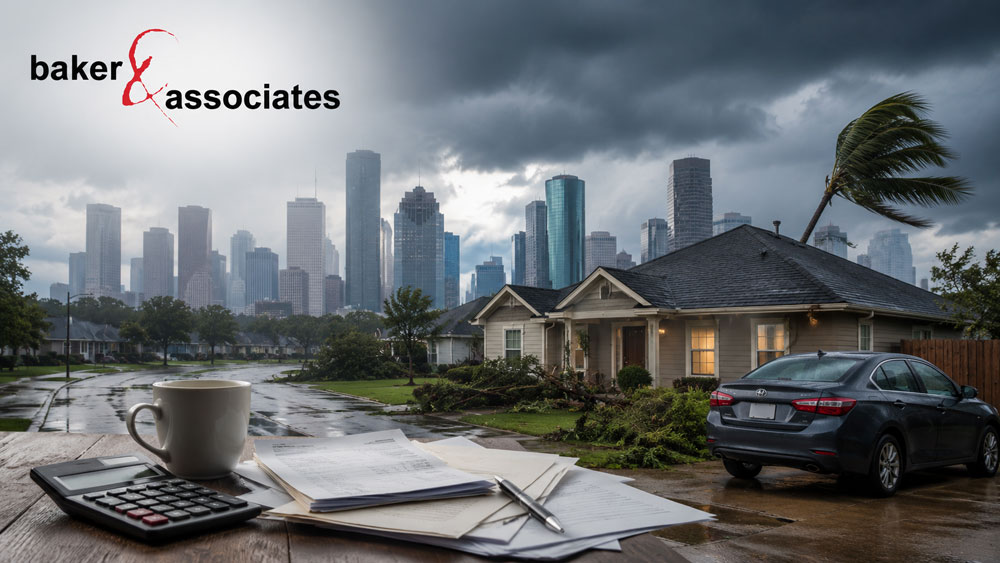

For many Houston-area families, hurricane season brings more than concerns about wind and rain. It can also bring unexpected expenses, missed work, home repairs, vehicle damage, insurance deductibles, and credit card balances that grow faster than expected.
Even when a storm does not make a direct hit, preparing for one can strain a household budget. If you are already behind on credit cards, medical bills, mortgage payments, car notes, or taxes, one emergency can push a difficult situation into a financial crisis.
If debt is already becoming unmanageable, it may help to speak with a Houston bankruptcy attorney before making major financial decisions. The timing of a bankruptcy filing, large credit card purchases, property transfers, missed mortgage payments, or missed car payments can all affect your options.
Emergency Spending Can Snowball Quickly
Most families do not plan to take on more debt. It often happens because there is no easy alternative. During hurricane season, common emergency costs may include:
- Temporary lodging or evacuation expenses
- Generator fuel, supplies, and emergency food
- Roof, fence, plumbing, or home repairs
- Vehicle repairs after flooding or storm damage
- Replacement clothing, furniture, or household items
- Missed paychecks due to closed businesses or reduced hours
- Medical expenses or prescription needs
- Insurance deductibles and uncovered losses
A credit card may feel like the fastest solution in the moment. But if the balance cannot be paid off quickly, interest charges and late fees can turn an emergency purchase into a long-term debt problem. If credit card balances are already difficult to manage, Baker & Associates offers information about bankruptcy and debt relief options that may help you understand your next steps.
Do Not Ignore Existing Debt While Handling the Emergency
When a storm, job interruption, or home repair takes priority, older bills may fall to the side. That is understandable. However, creditors may continue collection efforts even while you are trying to recover.
Missed payments can lead to:
- Collection calls and letters
- Late fees and higher balances
- Credit card lawsuits
- Bank account freezes or writs of garnishment after a judgment
- Vehicle repossession
- Foreclosure activity
- Bank account pressure after a judgment
In Texas, current wages generally cannot be garnished for ordinary consumer debts such as credit cards, medical bills, or personal loans. However, once money is deposited into a bank account, a judgment creditor may be able to seek a bank garnishment or account freeze. That is one reason it is important not to ignore lawsuit paperwork, collection notices, repossession warnings, or foreclosure notices.
Keep Records of Storm-Related Spending
If you are considering bankruptcy, documentation can be extremely important. Keep receipts, invoices, insurance documents, bank statements, repair estimates, and proof of emergency spending.
Helpful records may include:
- Hotel or evacuation receipts
- Repair invoices and contractor estimates
- Insurance claim paperwork
- Photos of damaged property
- Pay stubs showing reduced hours or missed work
- Medical bills and pharmacy receipts
- Bank and credit card statements
Good records can help your attorney understand what happened, why money was spent, and how your financial situation changed.
Be Careful About Using Credit Before Filing Bankruptcy
If bankruptcy may be on the horizon, it is wise to speak with a bankruptcy attorney before making major financial decisions. Large credit card charges, cash advances, balance transfers, payday loans, or unusual purchases shortly before filing can raise questions in a bankruptcy case.
That does not mean you should ignore real emergencies. Families need food, transportation, medicine, shelter, and basic safety. But the way emergency expenses are handled can affect your options.
Before using credit cards heavily, taking out a new loan, borrowing from retirement, or transferring property, consider getting legal advice. Baker & Associates has also discussed important timing issues in How to Protect Your Finances While Waiting to File Bankruptcy.
Can Bankruptcy Help After a Financial Emergency?
Bankruptcy is not right for everyone, but it can be a powerful tool for people facing debt they cannot realistically repay.
Depending on your situation, bankruptcy may help with:
- Credit card debt
- Medical bills
- Personal loans
- Collection lawsuits
- Bank account garnishments or frozen bank accounts after a judgment
- Certain older debts
- Mortgage arrears in some Chapter 13 cases
- Vehicle payment problems in some cases
Once a bankruptcy case is filed, the automatic stay generally goes into effect. This court protection can stop many collection actions, including creditor calls, lawsuits, bank account garnishments, repossessions, and foreclosure activity. However, timing matters, and some debts or collection actions may be treated differently under the law. To understand how bankruptcy may affect property, review What Happens to Your Property When You File for Bankruptcy in Texas?
Chapter 7 vs. Chapter 13 After a Storm or Emergency
Chapter 7 Bankruptcy
Chapter 7 bankruptcy may help eliminate many unsecured debts, such as credit cards and medical bills. For people whose income has dropped or whose debt has become unmanageable, Chapter 7 may offer a faster financial reset.
However, property, income, recent spending, exemptions, and timing all matter. It is important to review your situation before filing.
Chapter 13 Bankruptcy
Chapter 13 bankruptcy may be useful for people who need time to catch up on secured debts, such as a mortgage or vehicle loan. It can allow debtors to reorganize certain debts through a repayment plan while keeping important property, when the plan is properly structured and approved.
For Houston homeowners or families trying to keep a vehicle after falling behind, Chapter 13 may provide options that ordinary payment arrangements do not.
Foreclosure and Repossession Risks After an Emergency
Storm-related expenses can make it harder to keep up with mortgage or vehicle payments. If you are behind on your mortgage, Baker & Associates has information about how to avoid foreclosure and what legal options may be available.
If you are behind on a car note or your vehicle has already been repossessed, timing is especially important.
Texas Wage Garnishment vs. Bank Account Freezes
Many Texas consumers are threatened with wage garnishment by debt collectors. For ordinary consumer debts, such as credit cards, medical bills, and personal loans, those threats can be misleading. Texas law generally protects current wages from garnishment for ordinary consumer debts.
That does not mean a creditor has no collection tools. After a creditor sues and gets a judgment, it may be able to seek a bank account garnishment or other post-judgment collection remedy. In practical terms, this can create a serious problem for a family that needs access to money for rent, mortgage payments, utilities, groceries, repairs, or transportation.
If your bank account has been frozen, or if you have been sued by a creditor, you should speak with an attorney quickly. Waiting too long may limit your options.
Avoid These Common Mistakes
1. Draining Retirement Accounts Too Quickly
Using retirement money to pay unsecured debt may not be the best choice. In many cases, retirement funds may have legal protections. Before using those funds, talk to an attorney.
2. Paying One Creditor While Ignoring the Bigger Picture
Paying a favored creditor, friend, family member, or one aggressive collector may not solve the overall problem. Some payments made before bankruptcy can also be reviewed.
3. Waiting Until Repossession, Foreclosure, or a Bank Freeze Is Imminent
The earlier you get advice, the more options you may have. Waiting until the last minute can make a difficult situation harder.
4. Transferring Property to Someone Else
Giving away, selling, or transferring property before filing bankruptcy can create serious complications. Always get advice first.
5. Relying Only on Informal Advice
Advice from friends, relatives, or online forums may not apply to your situation. Bankruptcy depends on your income, assets, debts, timing, and goals.
A Storm Plan Should Include a Debt Plan
Houston families know the importance of preparing for hurricane season. Batteries, water, insurance papers, and evacuation plans all matter. But financial preparation matters too.
If you are already overwhelmed by debt, consider asking:
- What bills are already behind?
- Are creditors threatening lawsuits or repossession?
- Is foreclosure a risk?
- Are credit cards being used for necessities?
- Is income stable enough to keep up?
- Has a creditor sued or obtained a judgment?
- Is a bank account freeze a concern?
- Would Chapter 7 or Chapter 13 provide protection or breathing room?
These questions are not always easy to answer alone. A bankruptcy attorney can help you understand whether Chapter 7, Chapter 13, or another option may make sense.
Talk to a Houston Bankruptcy Lawyer Before Debt Gets Worse
A storm, job interruption, medical expense, or major repair can expose financial problems that were already building. Bankruptcy is not about failure. It is about using the law to get protection, structure, and a realistic path forward when debt has become unmanageable.
If hurricane season has you worried about bills, foreclosure, repossession, lawsuits, bank account freezes, or credit card debt, contact Baker & Associates to discuss your financial situation and learn what steps may make the most sense for you and your family.